Area playbook
AI-native brand management
Every piece your brand publishes is checked against rules your senior people approve.
7 phases · a Leanboat playbook
The definition
The AI-native version.
AI-native brand management turns the brand book into rules that every piece of content reads and is checked against before it ships. Leanboat AI audits the brand, applies the rules, answers comments and reports on every post each month. A Leanboat specialist and the brand’s own leaders decide what the brand means, how its brands relate and how it answers when something goes wrong.
The traditional discipline
Brand management builds and keeps what a brand means to people. Textbooks and professional bodies split it into six jobs. The strategy says what the brand stands for. The identity is the name, logo, colours, type and voice, with the rules for using them. The architecture says how a company’s brands relate. Brand equity is the extra value buyers give an offer because of the brand. Management over time covers extensions, revitalisation and rebranding. Reputation and protection cover monitoring, crisis preparation and trademarks.
Most of the time goes into keeping the brand consistent after the brand book is delivered. A brand team reviews pieces by hand, and agencies run rounds of changes. What gets published slowly departs from what the book says. Brand health is read through periodic surveys, and trademark searches sit with lawyers. Each job runs on its own calendar, so a problem found in one rarely reaches the others.
The roles
Human and artificial intelligence.
Leanboat AI produces
The best AI model for each stage audits the brand and drafts architecture options. It turns the brand book into rules and checks every piece against them. It answers comments with the link to buy and drafts the monthly report.
A Leanboat specialist reviews
The Leanboat specialist proposes the route after the audit, recommends the architecture and reviews the rule set and every batch. The specialist also writes the crisis rules with your team and leads the quarterly review. When the identity is created or redesigned, Tátil Design’s senior team takes part or reviews.
Your team decides
Your founder, CMO or brand manager decides what the brand means, which brands exist and every change to the rules. Your communications lead signs the public answer in a crisis. Your lawyers run the trademark search, and file and defend the marks.
The method
The playbook in 7 phases.
- Your team decides
- Leanboat AI produces
- A Leanboat specialist reviews
Leanboat AI compares what the brand publishes with its brand book.
Leanboat AI reads five sources: the brand book, the site, the social profiles, the comments and reviews, and 3 to 5 competitor brands. It scores the brand book on a 20-criterion rubric. It lists every place where what is published differs from what the book says.
You receive the brand audit on one page: what the book says, what the brand publishes, the gaps and the recommended route.
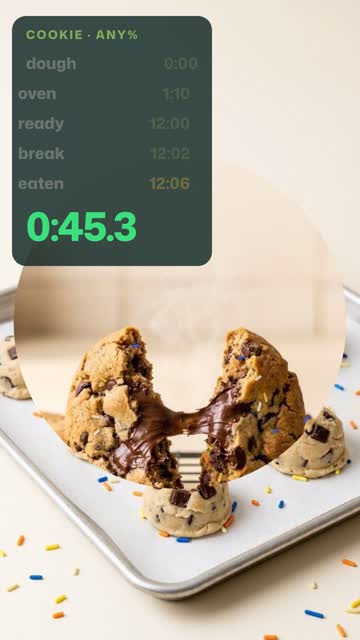
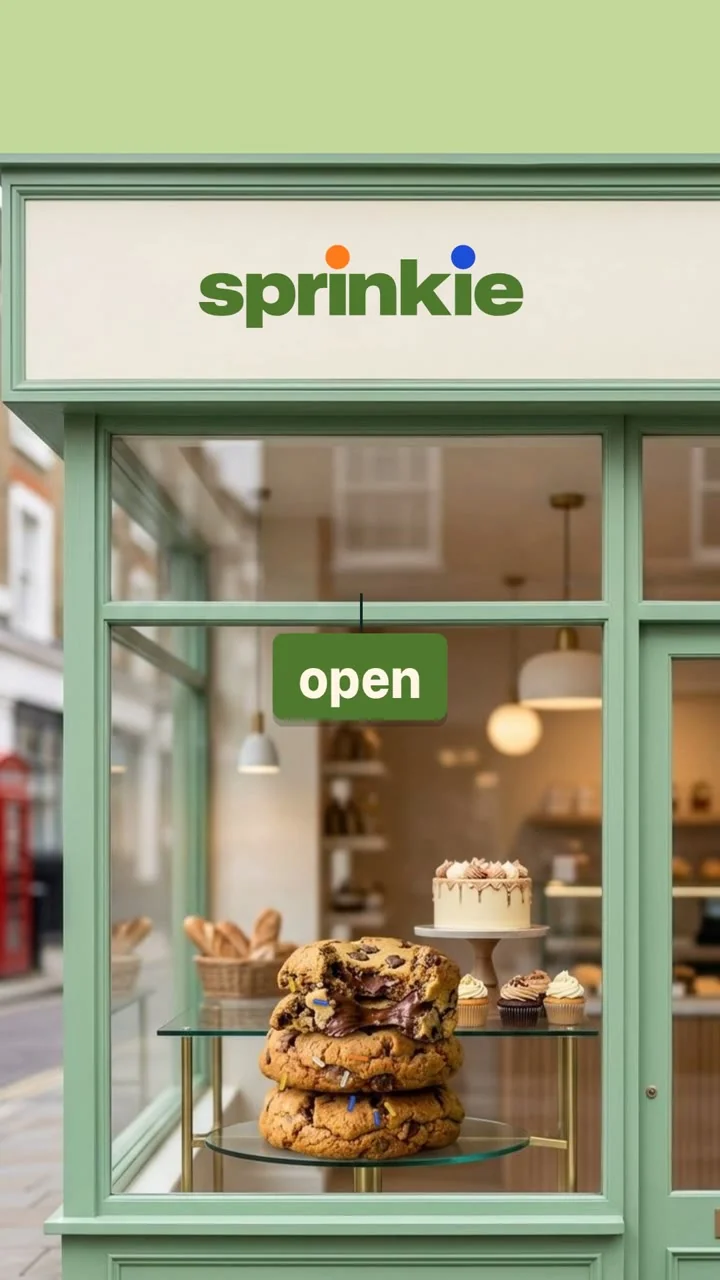
Sprinkie · brand audit
- 01Brand book and TikTok posts read
- 02Anchor: less sugar, no sermon
- 03Gap: no rule for cake photos
- 04Route proposed: complete the gaps
Sprinkie is the cookie brand Leanboat built. The example is illustrative.



The checkpoints
Senior gates and quality tests.
Senior people decide at the phases where judgement, taste or risk sit. Every output takes a test before it moves on.
| Phase | Who decides, and what | Quality test |
|---|---|---|
| 01Audit | The Leanboat specialist proposes one of three routes: use the book as it is, complete its gaps, or rebuild the identity. Your founder or CMO chooses the route, because it sets the depth and the cost of every phase after it. | Automatic checkA program checks that every finding links to a source your team can open. A finding without a source is removed. |
| 02Architecture | The Leanboat specialist recommends one option with its reasons. Your founder or board decides, because which brands exist is a business decision with legal and financial weight. | ComparisonTwo models analyse the portfolio, each blind to the other. Every point where they disagree goes to the Leanboat specialist before the options reach you. |
| 03Identity | Tátil Design’s senior team reviews the strategy, ranks the options and takes part in the final drawing. You choose the anchor, the central reason for the brand, and the degree of change, from update to rupture. | Back-testThe Tátil method carries its own three tests: an automatic check, a back-test on projects Tátil has already delivered, and a comparison with Tátil’s judgement. |
| 04Rules | The Leanboat specialist reviews the rule set against the strategy. Your brand manager approves it, and from then on only that approver changes a rule. This is the point where the brand’s meaning becomes binding for every piece. | Automatic checkThe checker proves itself first. Known violations are planted in test pieces, and the program must catch each one before it checks real work. |
| 05Consistency | In Grow and Scale, a Leanboat specialist reviews every batch against the brand book and the plan. Your team approves each piece. On a post a day, you approve each post, or put it on autopilot. | ScoreAn independent reviewer model scores every piece on the service’s scale. A piece below the bar is remade, and the reason is written down as a lesson. |
| 06Protection | The Leanboat specialist and your communications lead write the crisis rules before they are needed: who is called and what the holding reply says. In a crisis, people on your side write and sign the public answer. The trademark search, filing and defence stay with your lawyers, or with Tátil’s partner law firm in a Tátil project in Brazil. | Back-testBefore the crisis rules are adopted, the Leanboat specialist runs them by hand on the brand’s past comment threads. Every case your team escalated must reach the right person. |
| 07Review | Your CMO or founder decides which proposed rules take effect and whether the brand changes. In Essential, the owner approves new rules with the monthly report. A survey-based tracker, when the brand runs one, is read in this review alongside the brand’s own data. | ComparisonThe Leanboat specialist codes a sample of comments blind, and Leanboat AI sorts the same comments by theme. Leanboat AI’s reading enters the review only where the two readings match. |
The disciplines
Six disciplines in one method.
Brand strategy
Medium impactRead in the Audit and fixed in the Rules: the anchor, purpose and personality every brief starts from.
Brand architecture
Medium impactIts own phase when the brand has sub-brands, product lines or co-brands.
Brand identity
High impactCreated or redesigned with the Tátil Design and Leanboat method, at leanboat.io/tatil-ia.
Brand reputation & protection
Medium impactThe Protection phase: comments answered, sensitive ones kept for your team, new names checked and crisis rules written in advance.
Brand equity
Medium impactRead in the monthly report and the quarterly review, against the brand’s own past months.
Brand management over time
Medium impactThe yearly decision to reinforce, extend, revitalise or change the brand.
The tests
Every rule and reading goes through three tests.
Automatic
A program checks everything that has a rule: colours, type, logo use, banned words and the source of each claim. The checker is first tested with planted violations, and it must catch every one.
Back-test
Crisis rules run on the brand’s past comment threads before they are adopted. They pass only when every case the team escalated would have reached the right person.
Comparison
Leanboat AI evaluates before the specialist does, or two models evaluate blind to each other. Each difference goes to the Leanboat specialist and becomes a lesson for the next cycle.
The rule
Only a named person on the brand’s side changes the brand. Leanboat AI proposes meanings, names and rules, and none of them takes effect without that person’s approval.
The control: the decisions stay with you
- The meaning
- You approve the anchor, the purpose and what the brand never says.
- The architecture
- Your founder or board decides which brands exist and how they relate.
- The rules
- Your brand manager approves every rule and every change to the rules.
- The crisis answer
- Your people write and sign the public answer in a crisis.
The cycle
10 working days to start. Then a monthly cycle.
Audit and Rules take about 10 working days for a brand that has a brand book. Architecture, when needed, adds about 5 working days. A new identity or a redesign adds the Tátil project, 30 working days within its own assumptions. After setup, every piece is checked against the rules and comments are answered every day. The report comes each month, the review each quarter and the change decision once a year.
The assumptions
- You respond to each request within 1 working day.
- A brand book exists, or enough published material to build one.
- The brand’s profiles are connected to Leanboat.
- One brand. Sub-brands and product lines add the Architecture phase.
- The name check is a first check by hand. The trademark search by your lawyers sits outside the schedule.
The evidence
The studies behind the method.
With five AI ideas, 293 writers produced stories rated 8.1% more novel and 9.0% more useful. The AI-enabled stories were also more similar to each other. The audit compares the brand with 3 to 5 competitors for that reason.
In qualitative marketing research, an AI model matched humans at finding themes and writing summaries. Expert judges rated the human and AI hybrid above humans alone and AI alone.
Arora, Chakraborty & Nishimura, Journal of Marketing 89(2), 2025
In a study of more than 2,000 people, about 150 of them measured with EEG, AI-generated ads elicited weaker memory activation than traditional ads. This held even when the AI ads were of high quality. No effect sizes were published.
Among 505 US Gen Z and Millennial consumers, 20% described brands that use AI to make ads as manipulative. Among 104 US ad executives, 10% did.
IAB and Sonata Insights, “The AI Ad Gap Widens”, 15 January 2026
None of these studies measures a brand managed this way over time. They measure single tasks, single ads and attitudes. Leanboat has no brand-equity result to report yet, and Sprinkie published its first post on 18 October 2026. The method measures each brand against its own past months, and it reads a survey-based tracker when the brand runs one.
Leanboat
The service behind it.
Brand management runs across Leanboat’s services. Every plan starts from the brand book, imported or created by Leanboat. Grow and Scale run this playbook in full, with a Leanboat specialist at each gate. Essential runs the brand book, the checks and the approval, and the owner holds the decisions. A new identity or a redesign is the Tátil Design and Leanboat project. Content Lab, Creative at Scale and Brand Network apply the same rules to campaigns, to every format and to every account that sells the brand.
Other playbooks
Questions
Do we need a new brand to start?
No. Most brands start by importing the brand book they already have. The audit shows whether it needs completing, and only a full redesign runs the Tátil project.
What if we have no brand book?
Leanboat creates one with you. A brand book imported or created by Leanboat is part of every plan, from Essential. A full identity, with strategy, name and logo, is the Tátil Design and Leanboat project.
Does Leanboat register or defend trademarks?
No. A Leanboat specialist runs a first check of each new name on domains, social handles and the market. The trademark search, filing, watching and defence stay with your lawyers, or in a Tátil project in Brazil with a partner law firm at INPI, the Brazilian trademark office.
How do you measure brand health?
From the brand’s own data on its connected profiles: how each post did, what customers say in comments and what sells. Each brand is compared with its own past months. Leanboat does not run awareness surveys, and when you run one, it is read in the quarterly review.
Who can change a brand rule?
Only the approver your team names. Leanboat AI and the specialist propose changes, often from what worked, and each change waits for that approval.
Feedback
Help shape the playbooks.
The playbooks are open for review. Tell us what is missing, what differs from how your team works, or which discipline should come next. A Leanboat specialist reads every note.
See it in your brand.
Pick a plan, connect a profile and approve your first week.